The Fashion Industry – the norm, the fit, and the environment

Photo by RF._.studio

Although new styles and collections come out every year for spring/summer and fall/winter, trends are recycled throughout the decades. This year, 2021, for spring and summer, the dropped hem has made a comeback, bringing back a style from the 1920’s. The revamping of old ideas made “new” to fit the consumer’s needs and desires.

Of course, I’m fond of bringing back old styles. Personally, I adore the fashion from the 60’s & 70’s, with the flared pants and high-waisted trousers to make you look as long as a giraffe. Some fashion I cringe of the thought of a comeback is the early 2000’s. The low-waisted pants and whale-tails are not so flattering on all body types.

The issue surrounding accessibility for individuals who do not fit the quote-on-quote “norm” in terms of size is still ongoing. Even with today’s body-positivity awakening, individuals who fit size 12 and up still struggle immensely to find clothing that will fit them. If you look hard enough, there are stores that will have clothing that will fit “plus-size” women and men, but options may still be limited in terms of fashion and style.

What is inhibiting me from wearing what I want? Why do those who follow the trends judge those who don’t? Is it society that penalises those who stray away from the “norm” or is it because they secretly envy the freedom they express? These are questions I ask myself when I walk downtown or to work in the clothes I wear. I fear that others will judge me because it is not what others dress like in the city. But why do I care so much of what others think of me in the clothes that make me feel confident?

Growing up in a smaller city, on the west coast of Canada, most people are outdoors-y, Patagonia-wearing, hippies. And there is nothing wrong with that at all. I, too, wear my Blundstone’s and Eddie Bauer jacket, like its the uniform of the west coast. But once I started to dip my toes into the much larger world, that is fashion, I began to question why is it so controversial for those who want to stray away from the “norm”?

I believe fashion to be subjective. It differs between people because no one is exactly the same. And our clothes should be an outer representation as to who we are as people. The clothes we wear on our back can also be looked at as our own suit of armor, and just by wearing them, should bring us the confidence to take on the world.

Photo by Godisable Jacob

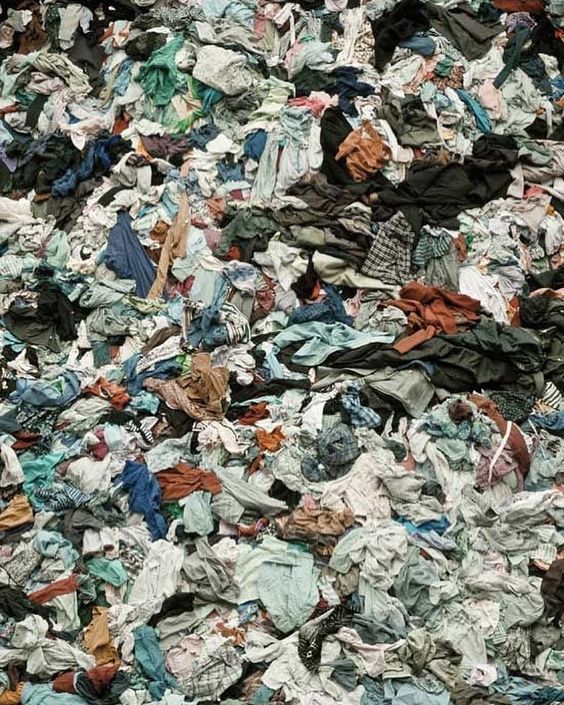
Although fashion may be subjective to each person, the fashion industry is still a large, vast empire, dominating the world economically and environmentally. Fast fashion is a humanitarian issue as well as an environmental issue. But the cheaper alternative is difficult to stray away from. Cheaper clothing is more accessible for individuals who cannot afford ethically made products that cost as little of 50$ for a tee-shirt. The fast fashion industry feeds off the working class and continues to boost up their revenues by paying their workers cents for a days work.

The book “The Dirty Side of the Garment Industry” by Nikolay Angueluv writes on the impact fast fashion has on the environment. Discussing a major issue within the industry pertaining to the manufacturing of textiles and fabrics. Cotton, in specific, makes up most of the ecological damage that is linked to chemical pollutants from run-offs, which adds to their carbon footprint from high fuel costs and CO2 emissions.
Overall, there are many different ways to be environmentally conscious and continue to express one’s fashion style and not subject to the trends promoted by the fashion industry. One trend that has gone on the rise is shopping second-hand and reclaiming the re-wearing of older clothes as “vintage”, making the item seem more valuable. Although there are some deficits from shopping-second hand, it is always a better alternative than to purchase something from the fast fashion industry. By doing so, you are able to find unique pieces that you would not be able to find in many current stores, expanding your closet with pieces that are more true to who you are. Although sometimes it is scary to wear things that go against the social norm within your community, overall, I’ve learned no one really cares what you wear. So might as well wear what you like, I know I will.

10 Tips to make your next vacation more eco-friendly

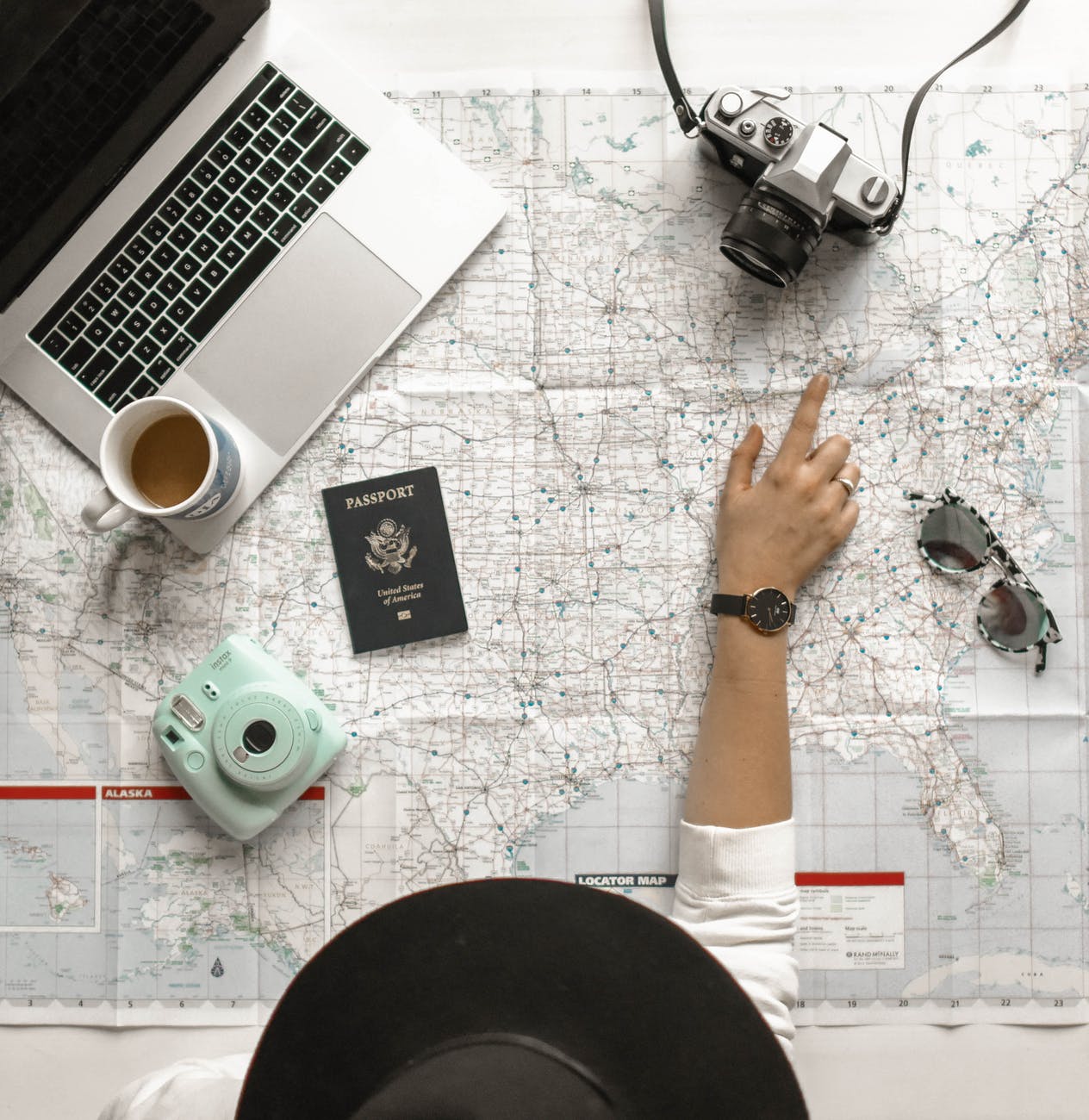
If your anything like me, all you can think of while looking at the snow is when can I travel next (in a post-covid world). But one thing that I believe slips the minds of many is how you can be the most eco-friendly while traveling. Here are ten tips that are not only eco-friendly for the environment, will save you money while doing it!

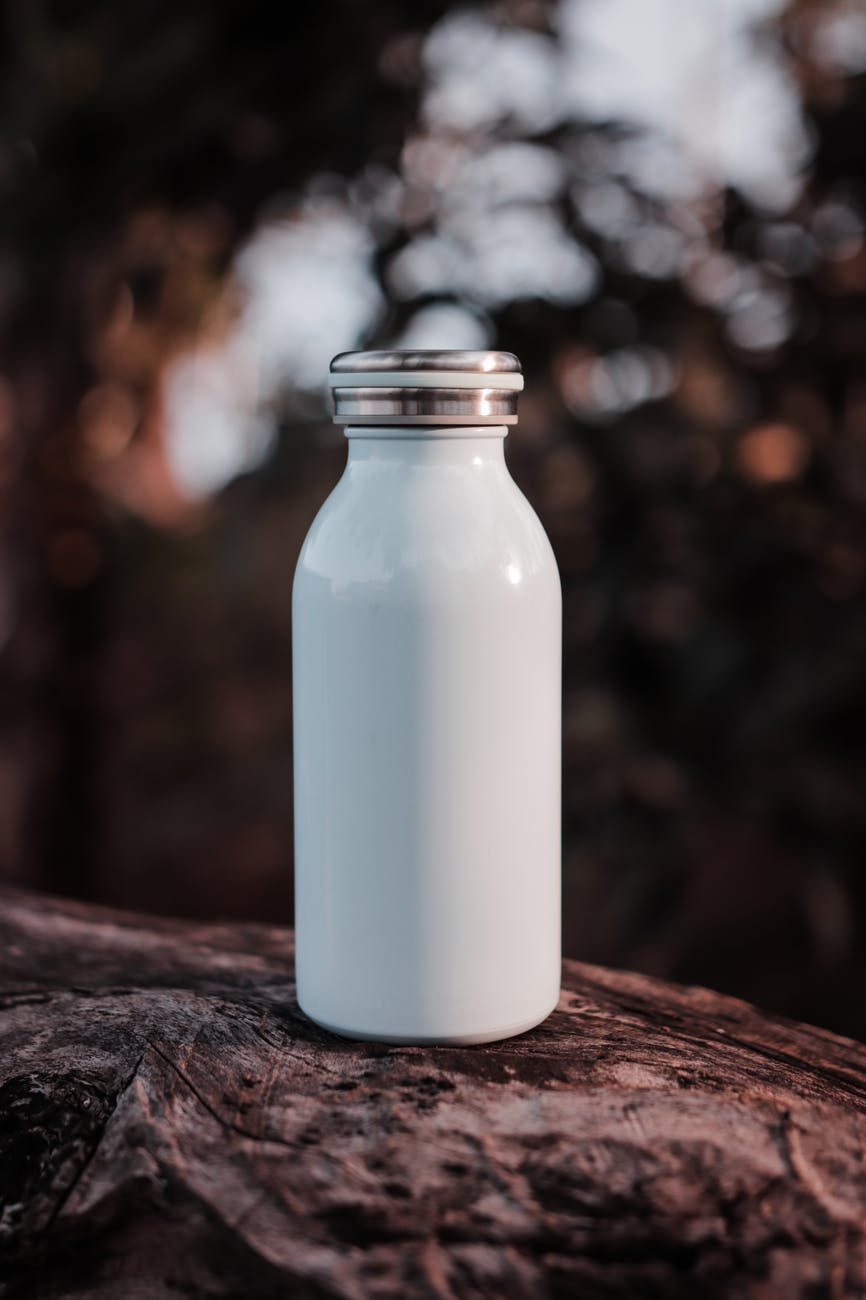
  1. Bring your own water bottle and filters

When you bring your own water bottle, you save money from purchasing overpriced bottles that are sold to tourists. It also helps reduce the plastic waste that cumulates when you need to repurchase water for all the hot summer vacation days. But when in places that don’t have access to clean water as readily, use bio-grade filters for your water bottle.

Photo by Luis Quintero

2. Cook in your Airbnb, Hostel, or Hotel

Pick up some groceries from a local market or corner store and try to cook your own meals for dinner, or prep food for when you’re out visiting attractions around the city. Not only will this save you money, but this also helps reduce the food waste during prep and from what is not eaten at restaurants.

Photo by Daria Obymaha

3. Walk or Bike

I believe that walking or biking around the city, or wherever you are, is the best way to see the beauty of the area. Walking or biking helps you find the hidden gems that you would not normally see if you were in a car or on a tourist bus.

In most European cities and some North American cities, there are free, or very cheap, bike rentals that you can use for the day. But if they are not available, make sure you’re wearing comfortable walking shoes.

4. Pack light

Pack the items that you know you will wear when you’re traveling. Leave out the “potential cute/istagramable fits” at home if you know you won’t be wearing them. By packing lightly, you are reducing your luggage’s weight on the flight – the heavier the items, the more fuel needed for the plane to run and more emissions in the air. So, when you’re thinking of packing for your next trip, bring only the essentials and not the “just in case” items.

5. Use biodegradable washing detergent

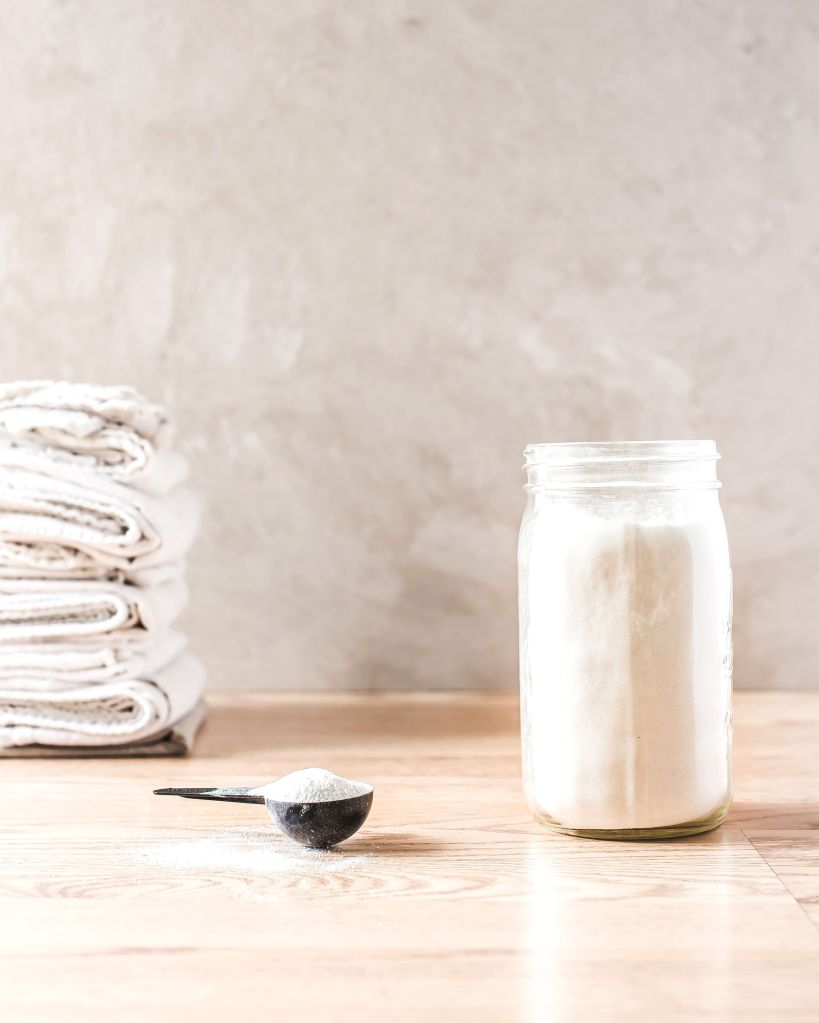
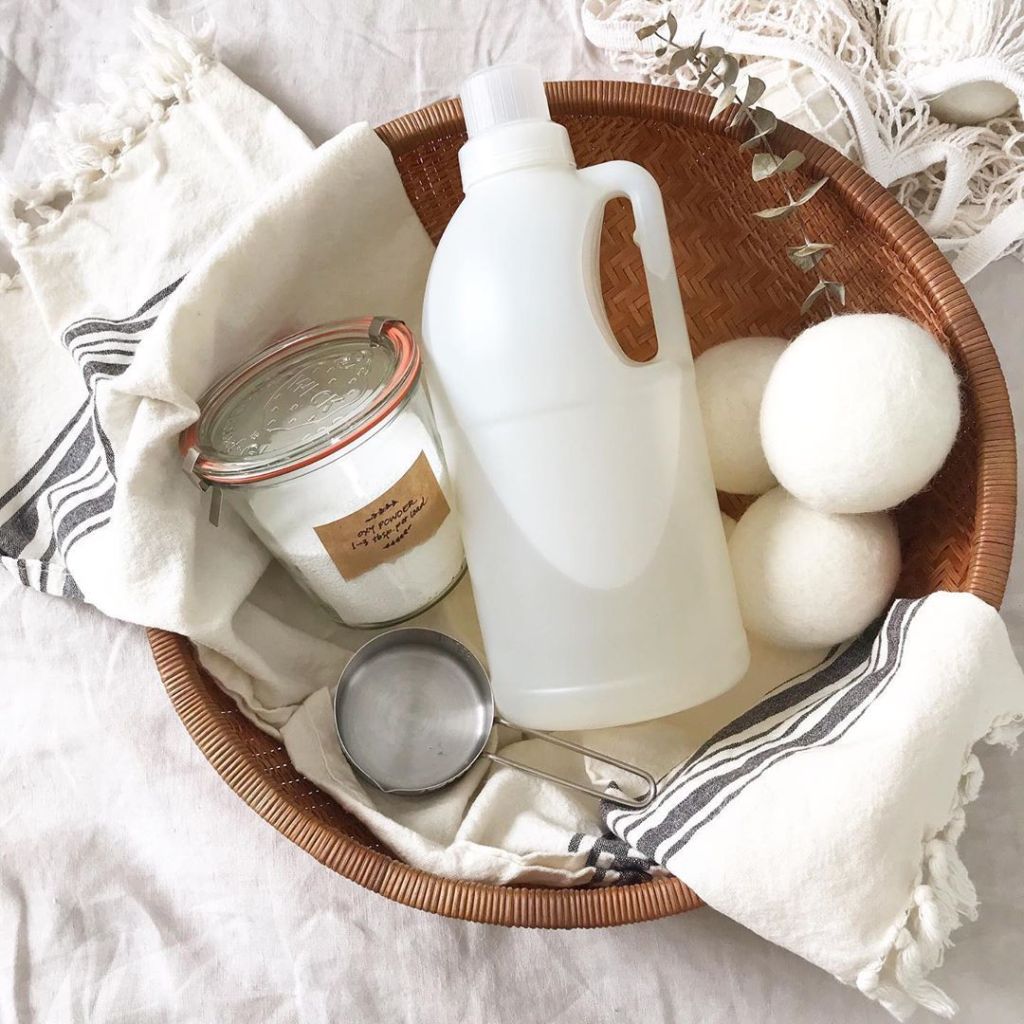
To piggy-back off the last point, when wanting to wash your clothing, bring biodegradable detergent. Since most zero-waste laundry detergents are powders, you won’t need to worry about liquid travel restrictions. You won’t need to worry about having laundry rooms accessible. Having your own detergents enables you to do your laundry at any time on your travels. And for drying, you can bring a string for a DIY-hanging rod.

6. Wear eco-friendly sunscreen

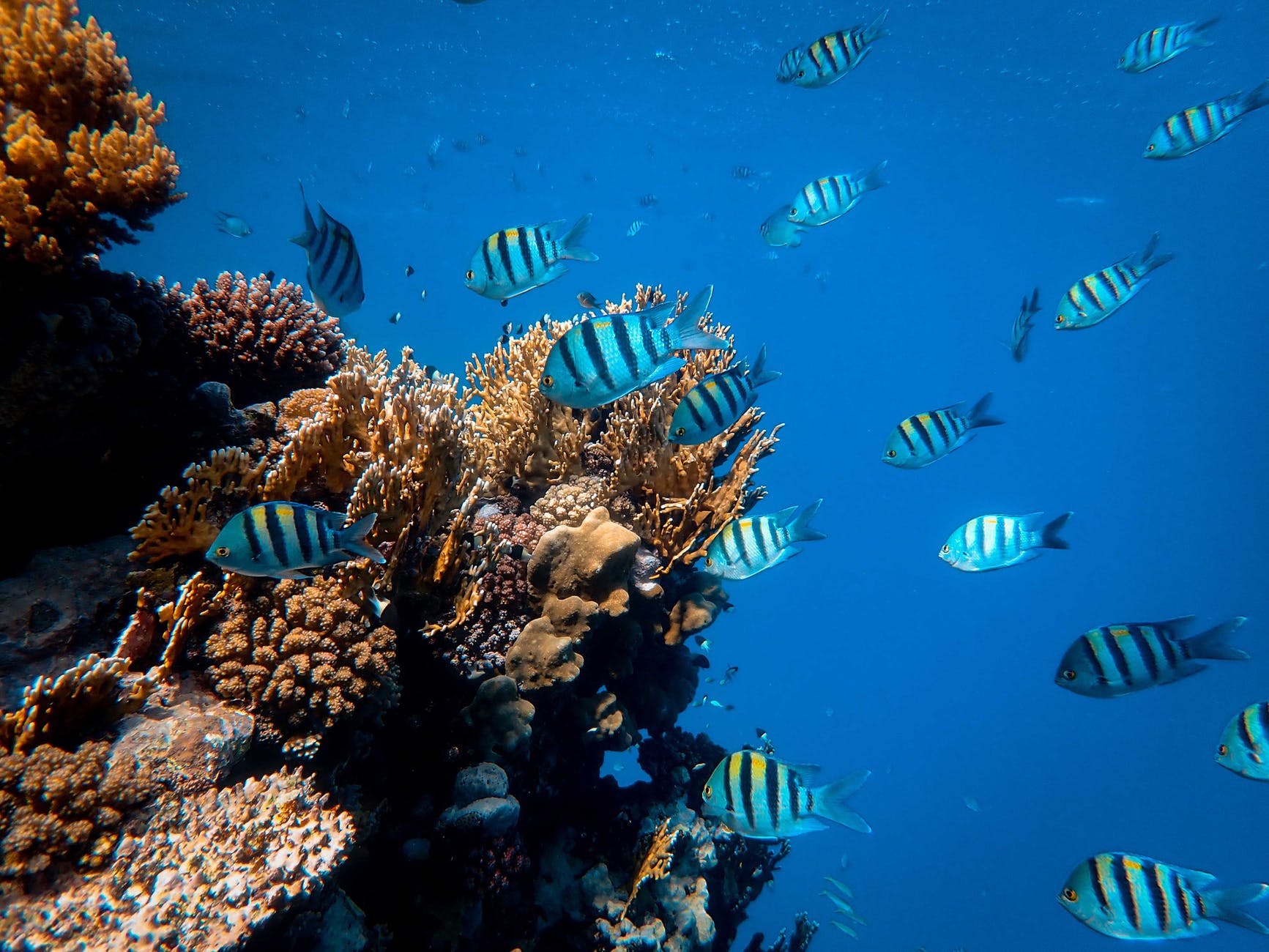
When you’re going to the beach or lake, it is essential to wear sunscreen that is safe for your skin and safe for the ocean and the water living animals. Most sunscreens are toxic for the ocean waters and creatures that live in them. So, when you’re shopping for sunscreen for your next trip to the sea, check to make sure it is reef safe or that it does not have oxybenzone in its ingredients. Choose one that is mineral-based with ingredients such as zinc oxide or titanium dioxide

Photo by Francesco Ungaro

7. Try to use low-emission transportation – Trains

It is easier and, in some cases, faster to travel by plane between destinations. However, it costs the most for the environment with high-emission from the gas used. A great alternative is traveling by train! Trains are also a great way to see the villages or country-side farms when going between locations and are more cost-efficient.

8. Bring your own eco-friendly shampoo and conditioner

There are many bar shampoo and conditioner options to purchase from brands such as Lush, or you can go to your local zero-waste store or even make your own. By bringing your own shampoo and conditioner, you don’t need to use hotels’ wasteful ones. It also helps you from limited travel liquids allowed by airlines.

9. Bring your own utensils

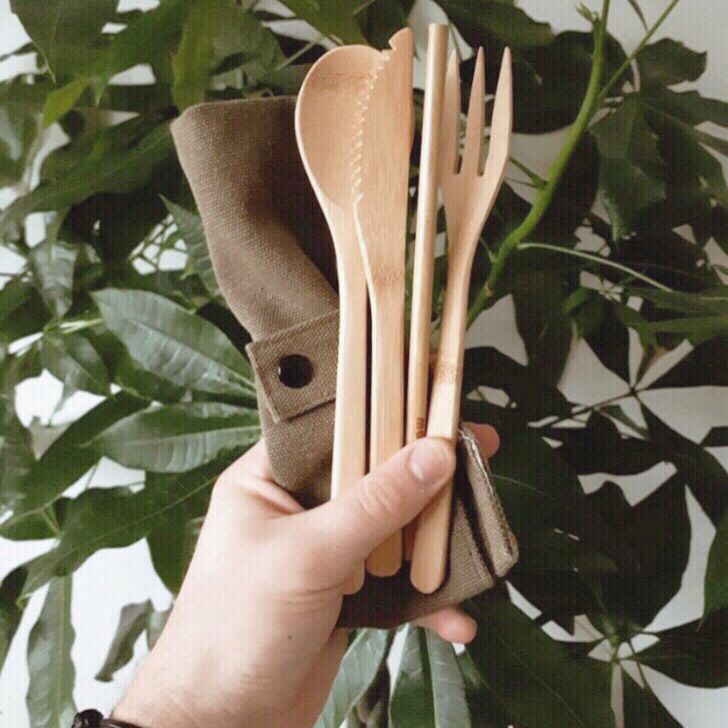
When you are purchasing from restaurants or making your own food, try to bring your own eco-friendly utensils. Bamboo utensils are very popular, being biodegradable, however, during my travels, they are not as durable and can break. If you can, bring metal cutlery from your kitchen, they are durable, but bamboo is the next best thing if you can’t.

10. Shop local

Shopping for souvenirs to take home for yourself and your loved ones is always one thing we find ourselves doing towards the end of a trip. However, the shops you see on every corner selling cent worthy items as overpriced tokens are what most people believe to be the only option. This is not the case. There are always locally owned shops that, in most cases, hand-make many of the items they sell. Purchasing from local shops benefits the small business and, you are buying an item that is different from other souvenirs.

Photo by Element5 Digital

For the next adventure you have, think of these tips for an eco-friendly approach.

Photo by Malte Luk

Go for the Eco-Friendly option – a few easy steps to get you started

It goes without saying, we are in a climate crisis, and our earth is dying. These words make me feel helpless and sad, but there are things we can do to help, however small or large. By minimizing single-use plastics and recycling and composting materials, we will keep ourselves accountable for the wasteful materials we dispose of on our planet and into our oceans.

I am not educated enough on climate change. Still, I find it useful to take the initiative in researching and reading scientific articles and journals that can help give insight into the challenges we face as a species. A book called The Climate Crisis, edited by Vishwas Satgar writes on the climate crisis we face and the possible systemic alternatives.

After more than twenty years of multilateral negotiations, we have not developed the solutions to solve the climate crisis decisively. Instead, we have continued emitting pollutants and intensively using fossil fuels and, as a result, have been recording the hottest years on the planet

Vishwas Satgar, The Climate crisis and Systemic alternatives

I realize what I am writing is scary or may be hard to believe for some, but there are ways that each person can do their part and try to help.

Photo by Karolina Grabowska

There are many ways an individual can make change, and it can begin with your lifestyle.

Decreasing meat consumption may help biodiversity loss, which attributes to 70 % of the world’s deforestation used for animal feed (Stoll-Kleeman & Schmidt, 2017). Also, 14.5% of the world’s greenhouse gas emissions (GHG) result from industrial livestock farming (Stoll-Kleeman & Schmidt, 2017). I’ve been following a pescetarian diet for over seven years and have become more educated on how diet can impact our environment.

Photo by Karolina Grabowska

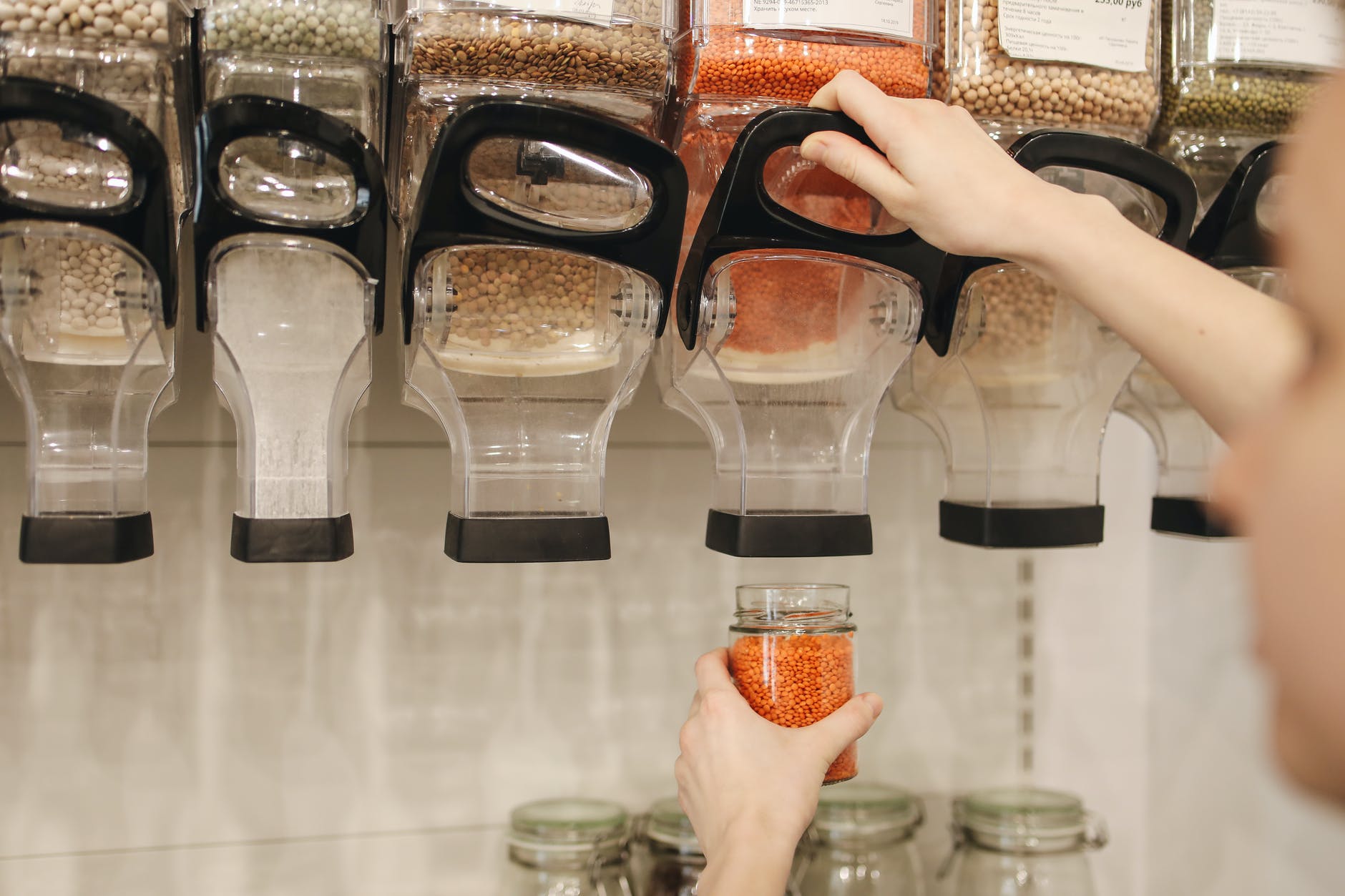
Another way to help is by changing out single-use plastics for reusable or eco-friendly alternatives. There are many eco-friendly alternatives for items in your household – toothbrushes, toothpicks, plastic bags, plastic sandwich bags, cling-wrap, drier sheets – that are also more cost-efficient and better for the environment.

An alternative for a regular plastic toothbrush could be a bamboo toothbrush. Affordable bamboo toothbrushes can be found on online sites, such as Brush with Bamboo or Etsy.

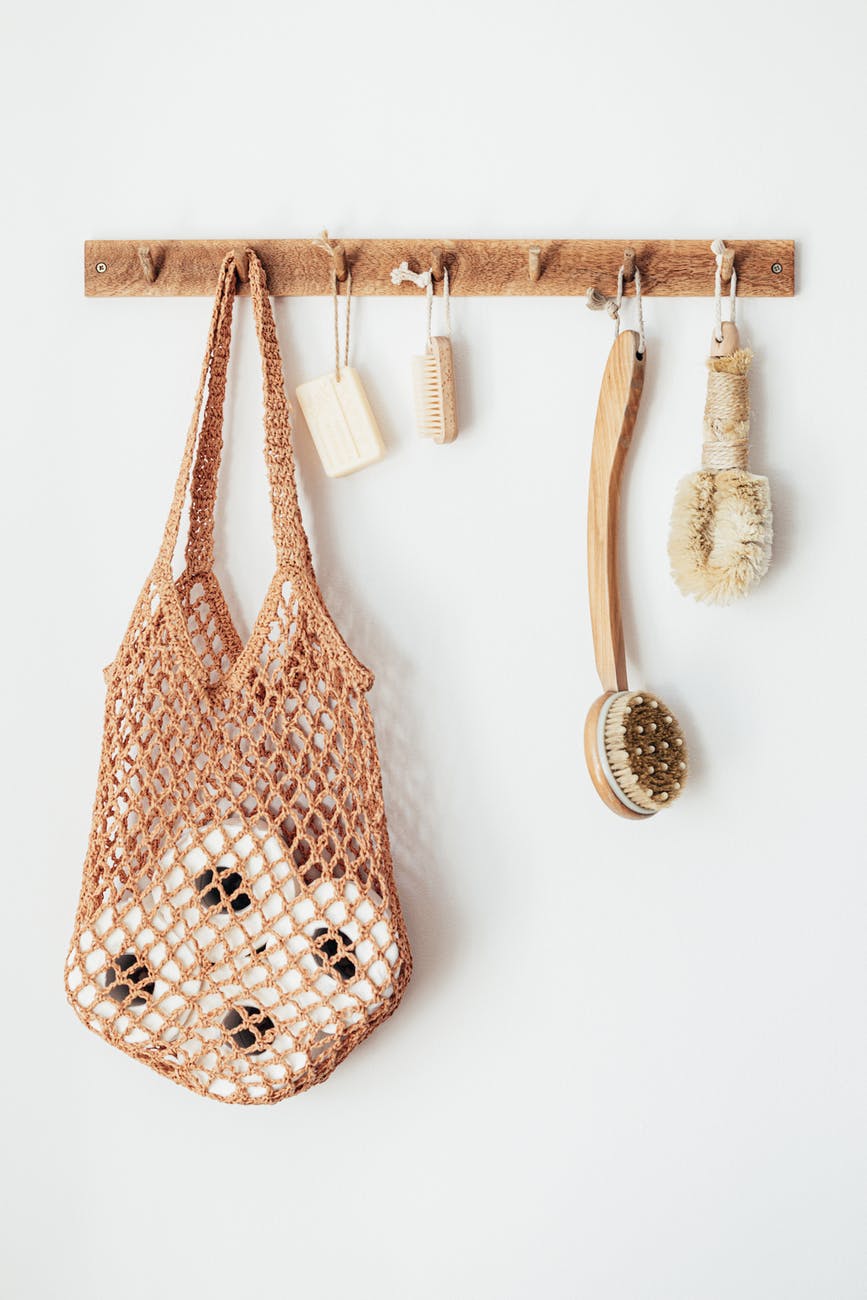
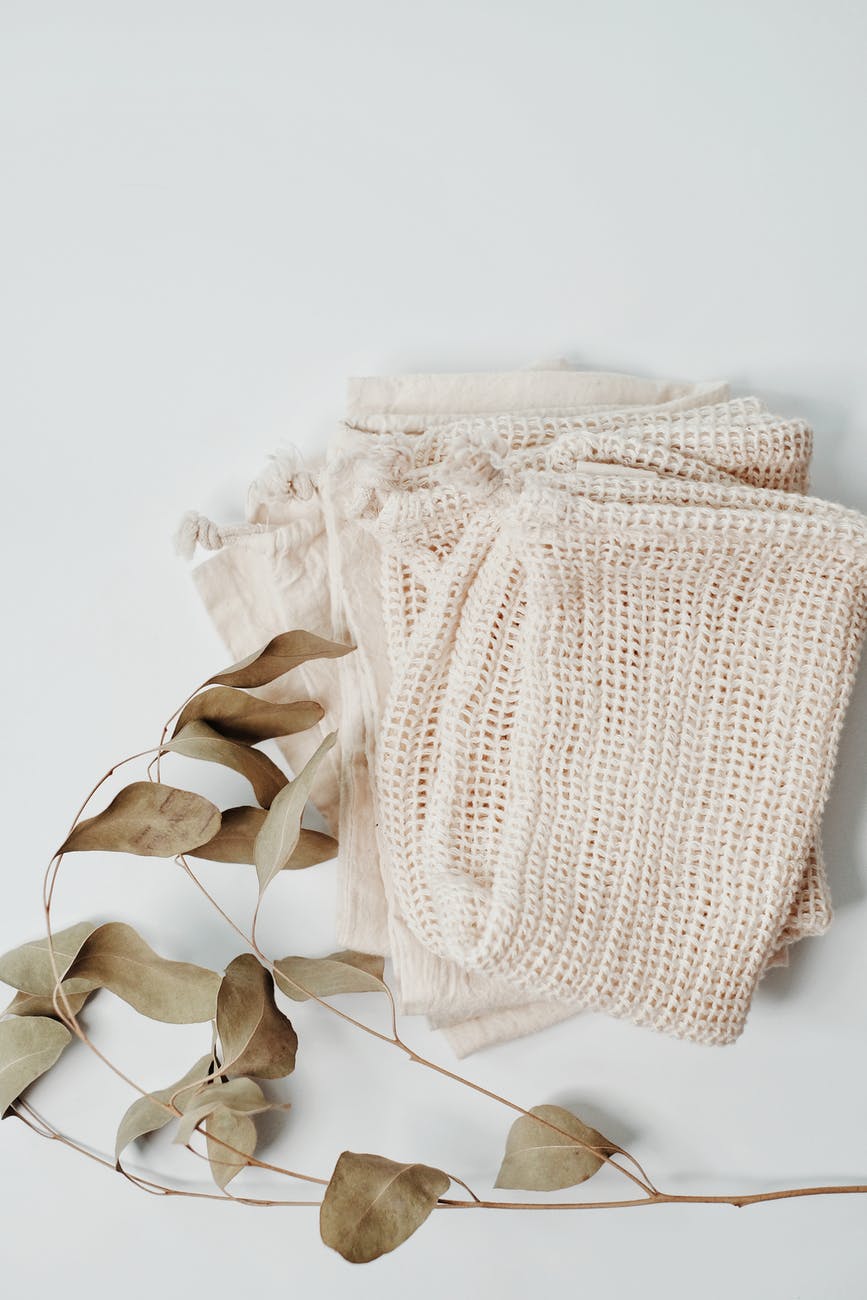
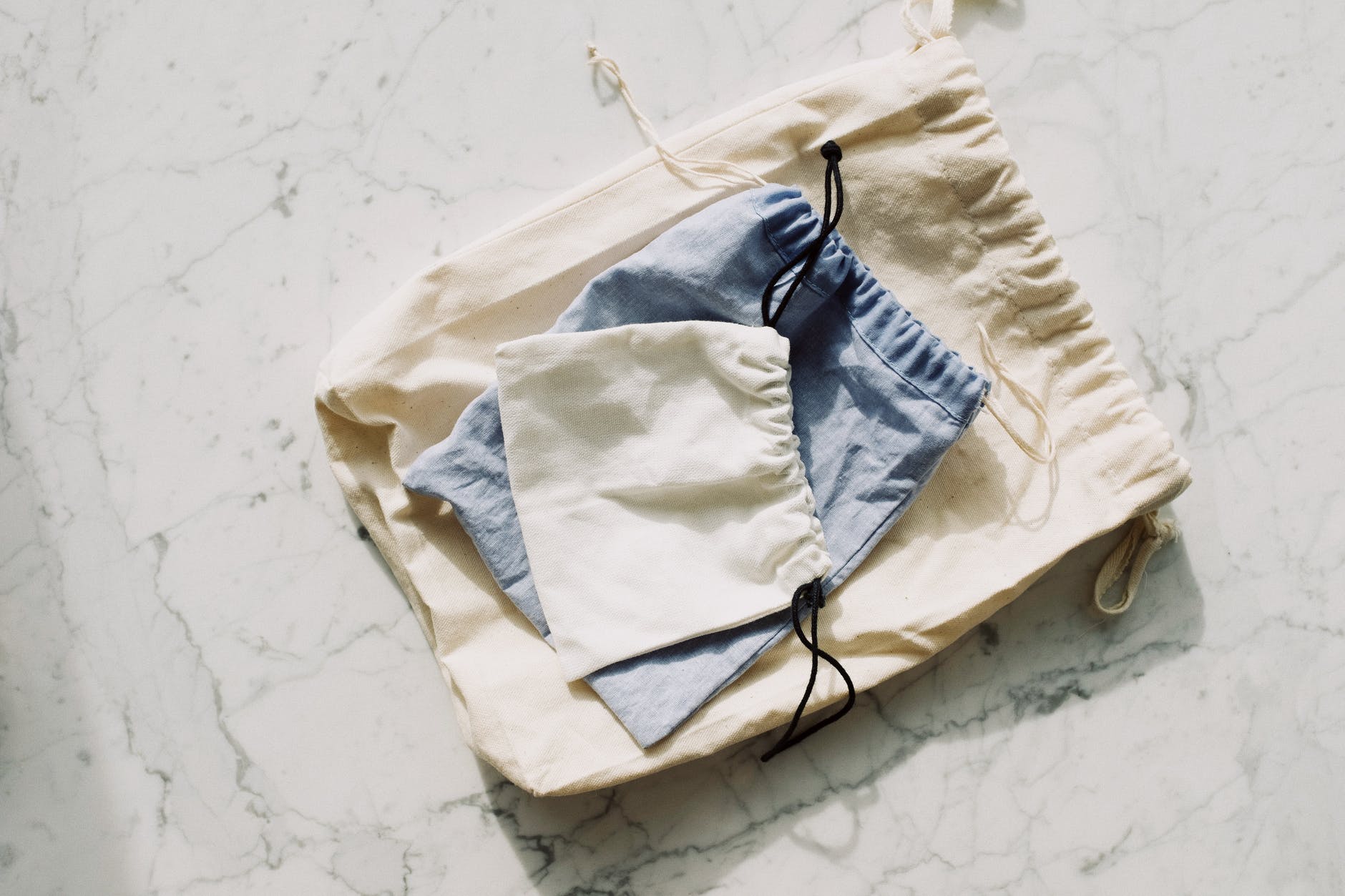
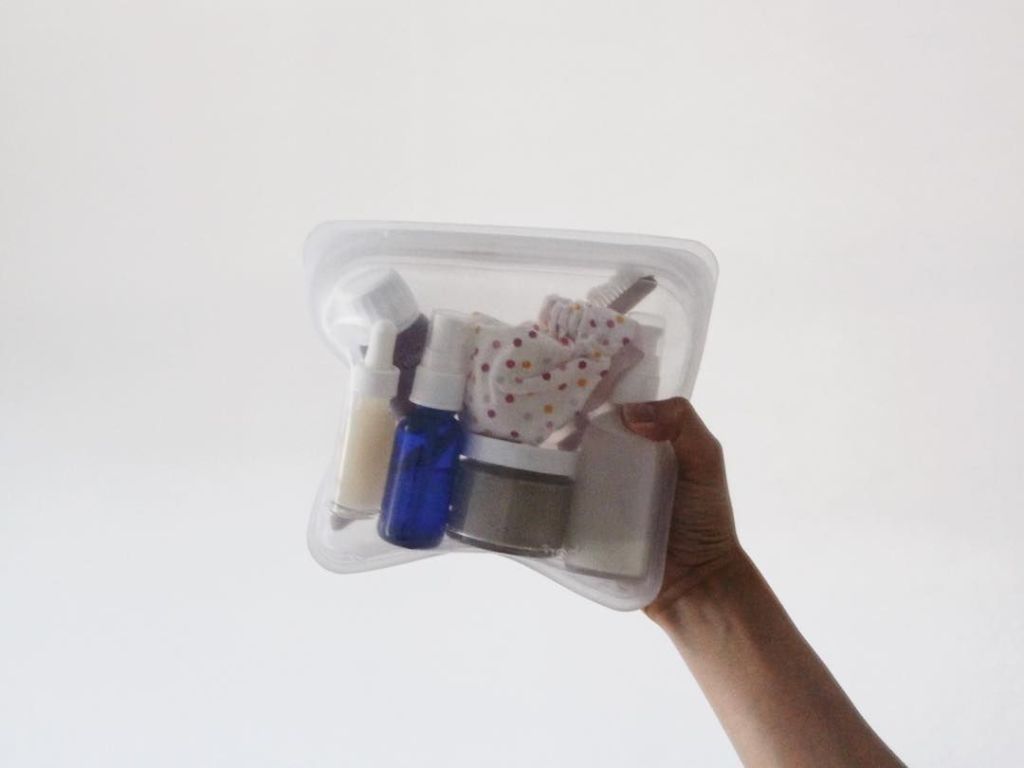
If you are looking for an alternative to single-use plastic bags for groceries, there are so many available options that will last and can be reused for years. To replace single-use zip-lock bags, invest in Stasher bags. These are silicon zip-lock bags that can be purchased in multiple sizes to fit whatever you need. Another alternative to single-use plastics is cotton produce bags for any vegetables you pick up from the grocery store. And to replace cling-wrap, try Beeswrap for your wrapping needs.

Photo by Vie Studio
Photo by Polina Tankilevitch
Photo by ready made

.

Photo by Stasher

Suppose you are looking for alternatives for more eco-friendly dish soap or all-purpose cleaners. In this case, there are many stores you can find online or search for zero waste stores near you. A source online called Sustain Eco-Store holds all the necessary kitchen and household items that fit your needs to be more eco-conscious.

Understandably, trying to switch to eco-friendly household materials is usually more expensive to purchase upfront. However, there are other ways which you can do, that are entirely free. By signing petitions and sending emails to people in large corporations or parliament, you can voice your opinions on the climate crisis. On the right are some URLs where you can sign petitions and get more information on other ways to make a change. 

Photo by Markus Spiske

References:

Satgar, Vishwas. (2018). The Climate Crisis: South African and global democratic eco-socialist alternatives. Johannesburg. Wits University Press. https://library.oapen.org/bitstream/handle/20.500.12657/29462/9781776143306.pdf?sequence=1#page=13

Stoll-Kleemann, S., & Schmidt, U. J.. (2017). Reducing meat consumption in developed and transition countries to counter climate change and biodiversity loss: a review of influence factors. Regional Environmental Change17(5), 1261–1277. https://doi.org/10.1007/s10113-016-1057-5

New Year Resolutions – Do they work?

I want to begin by saying I have never been a fan of ‘New Year Resolutions.’ I have always thought that if you would like to start something – whether it is to exercise or eat healthy – why not start that moment, why wait till the new year?

Photo by cottonbro

As I reflect on the ending of this year, 2020, it was not until recently that I begin to ponder the idea of making resolutions for myself for the new year. It makes me a slight hypocrite, but I wonder if making resolutions help increase the likelihood of accomplishing them.

In most cases, individuals will begin firm in their resolutions and tasks but then start to go in a downwards spiral later in the year, only completely to fail by mid-March, but why is that?

I took it upon myself to do some research on ‘New Year Resolutions’ and if they work, and what are some ways that could increase the likelihood of them being successfully completed.

  1. Lose weight
  2. Stop smoking
  3. Start budgeting
  4. Become more organised
  5. Eat better
  6. Exercise more

In a Veterinary Nursing Journal, Brown (2006) writes about some of the most common new year resolutions are (please refer to the list on the left).

In a paper written by Dr. Chiarello (2020) states, although our intentions of successfully completing our personal resolutions, they last only briedly and are then to be “thrown by the wayside”, perhaps due to them being simplly out of reach (Chiarello, 2020).

Our resolutions may be too much to handle by ourselves but only may benefit by having others around us, giving support, and keeping us on track. It may be that self-initiated attempts to change one’s behavior require more self-control than we can muster. A report written by Marlatt and Kaplan (1972) surveyed self-monitoring participants in completing self-initiated attempts in behavioural change from new year resolutions. They found a general “success rate” of 75% of resolutions was kept over a three month time period, excluding resolutions involving weight loss, while 25% of resolutions were reported to be broken during or towards the end of the three month period (Marlatt & Kaplan, 1972). It appeared that the most difficult resolutions to keep were physical health (64% broken), smoking (60% broken) and, personal behaviour (31% broken) (Marlatt & Kaplan, 1972).

Another paper discussed similar findings on success and failure rates of primary resolutions after six-months. This paper was written on the changes in processes and reported outcomes of resolution by Norcross, Ratzin, and Payne (1989) and found that 40% of participants kept their resolution after six months. The reported success rates may have exaggerated due to the volunteered self-report and the study’s demand characteristics.

Self-monitoring has also been explained in terms of “feedback look” operation or “knowledge of results function (Norcross, Ratzin, & Payne, 1989). This operation provides self-monitoring as a necessary comparison measure during the acquisition of new behaviours and has been found effective during self-initiated changes for target behaviours (Norcross, Ratzin, & Payne, 1989).

Photo by Polina Kovaleva

Although most of us who make new year resolutions may fall off track by March, some methods may help us complete them. When making new years resolutions, or even if you have already made some, do not give yourself a list of resolutions to be made over a lifetime – make a small list of specific and realistic goals you can achieve by the new year (Brown, 2006). Write out your resolutions on a paper and place them in sight in a common area. This paper will be used as a reminder for yourself and maintain your self-monitoring attempts to complete your task(s). Lastly, as said earlier, invite a friend or partner to help achieve your resolution – it could be someone who shares the same/similar resolutions. You could help keep each other on track in completing them.

Personally, my new years resolutions are to be better to myself – improving my physical and mental health – especially during this pandemic. Hopefully, by attempting to be successful in this resolution, I will not end up like the suggested 60% of people who break their resolutions, but who knows, I’ve never been a fan of new years resolutions.

Photo by Karolina Grabowska

References:

Brown, J.. (2006). New year’s resolutions. Veterinary Nursing Journal, 21(1), 28–28. https://doi.org/10.1080/17415349.2006.11013439

Chiarello, Cynthia M. PT, PhD; Editor-in-Chief New Year, New Resolutions, Journal of Women’s Health Physical Therapy: January/March 2020 – Volume 44 – Issue 1 – p 1-2 doi: 10.1097/JWH.0000000000000160

Marlatt, G. A., & Kaplan, B. E.. (1972). Self-Initiated Attempts to Change Behavior: A Study of New Year’s Resolutions. Psychological Reports, 30(1), 123–131. https://doi.org/10.2466/pr0.1972.30.1.123

Norcross, J. C., Ratzin, A. C., & Payne, D.. (1989). Ringing in the new year: The changeprocesses and reported outcomes of resolutions. Addictive Behaviors, 14(2), 205–212. https://doi.org/10.1016/0306-4603(89)90050-6

Hello. Bonjour.

Hello, how are you? I would like to introduce myself, my name is Sofiya, and I have no idea what I am doing with my life. Even so, this is my blog, an ‘Organised Mess’. I choose this title because precisely an ‘organised mess’ is who I am as a person, a complete oxymoron. I am organised in many things and aspects of my life, yet still a mess and in disarray in many ways, which may be represented in this blog.

A little about myself: my name is Sofiya, and my pronouns are she/her. I am a 20 year old university student currently living on the west coast of British Columbia, Canada. I “know” three languages – English, French, and Ukrainian – however, I am currently learning Italian via Duolingo, so, Bonjourno! I am now in my third year of a Bachelor of Science in Psychology, woohoo.

Besides surviving a pandemic and battling everyday struggles of life, I have come to a realisation that I have no idea what I am doing and what I want to do with the rest of my life. But what 20, 30 or, 40 year olds truly knows the answer to that? This is a question that is continuously being asked throughout one’s lifetime, so why do I feel the pressure to know the answer right now?

The future holds many uncertainties and mysteries that I hope to uncover, but I will like to begin with discovering more of myself through my writings on this blog. I hope to share stories of adventures and travels I have had the privilege of experiencing and my thoughts and opinions on fashion, science, psychology, and more. In all honesty, this will end up as a dumping ground of my ideas and discoveries, but I hope those who come across this blog may find something interesting to read or learn something new.