If your anything like me, all you can think of while looking at the snow is when can I travel next (in a post-covid world). But one thing that I believe slips the minds of many is how you can be the most eco-friendly while traveling. Here are ten tips that are not only eco-friendly for the environment, will save you money while doing it!
- Bring your own water bottle and filters
When you bring your own water bottle, you save money from purchasing overpriced bottles that are sold to tourists. It also helps reduce the plastic waste that cumulates when you need to repurchase water for all the hot summer vacation days. But when in places that don’t have access to clean water as readily, use bio-grade filters for your water bottle.

2. Cook in your Airbnb, Hostel, or Hotel
Pick up some groceries from a local market or corner store and try to cook your own meals for dinner, or prep food for when you’re out visiting attractions around the city. Not only will this save you money, but this also helps reduce the food waste during prep and from what is not eaten at restaurants.

3. Walk or Bike
I believe that walking or biking around the city, or wherever you are, is the best way to see the beauty of the area. Walking or biking helps you find the hidden gems that you would not normally see if you were in a car or on a tourist bus.
In most European cities and some North American cities, there are free, or very cheap, bike rentals that you can use for the day. But if they are not available, make sure you’re wearing comfortable walking shoes.
4. Pack light
Pack the items that you know you will wear when you’re traveling. Leave out the “potential cute/istagramable fits” at home if you know you won’t be wearing them. By packing lightly, you are reducing your luggage’s weight on the flight – the heavier the items, the more fuel needed for the plane to run and more emissions in the air. So, when you’re thinking of packing for your next trip, bring only the essentials and not the “just in case” items.
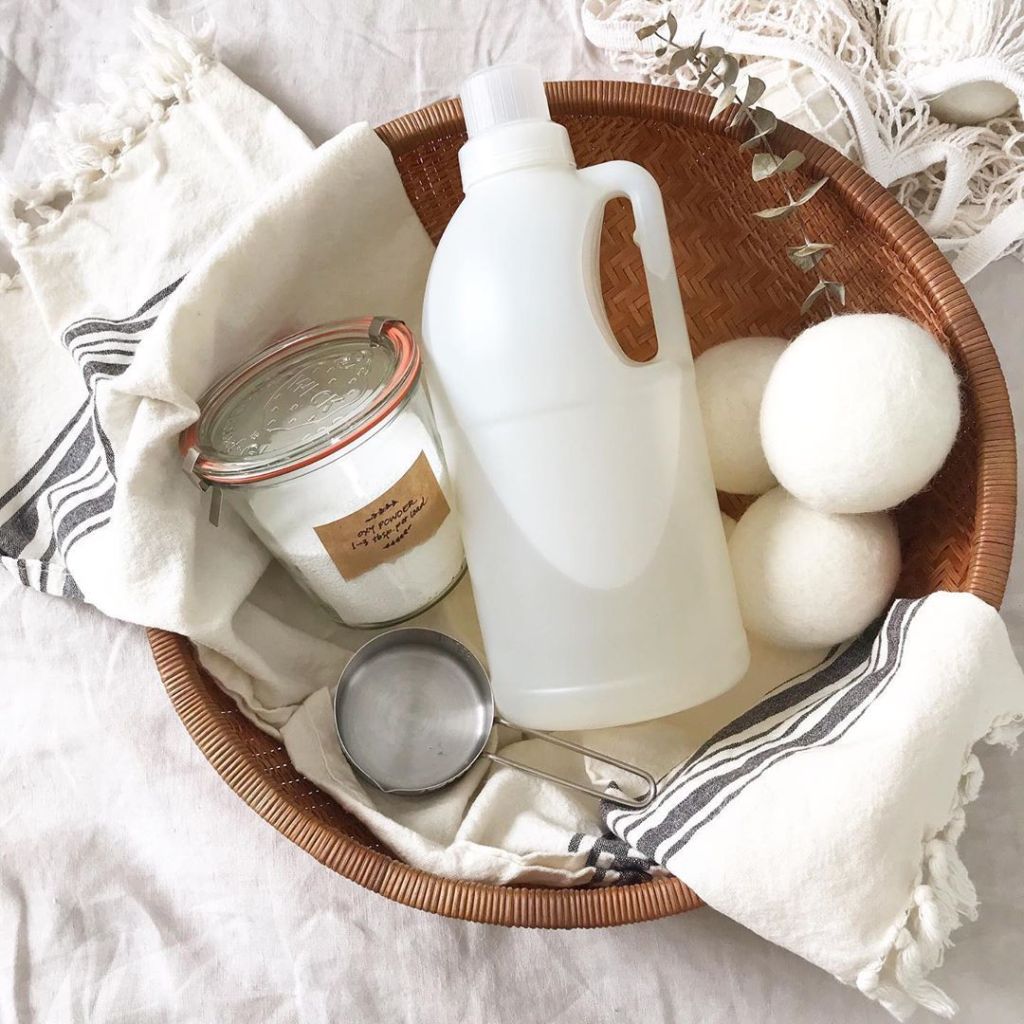
5. Use biodegradable washing detergent
To piggy-back off the last point, when wanting to wash your clothing, bring biodegradable detergent. Since most zero-waste laundry detergents are powders, you won’t need to worry about liquid travel restrictions. You won’t need to worry about having laundry rooms accessible. Having your own detergents enables you to do your laundry at any time on your travels. And for drying, you can bring a string for a DIY-hanging rod.

6. Wear eco-friendly sunscreen
When you’re going to the beach or lake, it is essential to wear sunscreen that is safe for your skin and safe for the ocean and the water living animals. Most sunscreens are toxic for the ocean waters and creatures that live in them. So, when you’re shopping for sunscreen for your next trip to the sea, check to make sure it is reef safe or that it does not have oxybenzone in its ingredients. Choose one that is mineral-based with ingredients such as zinc oxide or titanium dioxide

7. Try to use low-emission transportation – Trains
It is easier and, in some cases, faster to travel by plane between destinations. However, it costs the most for the environment with high-emission from the gas used. A great alternative is traveling by train! Trains are also a great way to see the villages or country-side farms when going between locations and are more cost-efficient.

8. Bring your own eco-friendly shampoo and conditioner
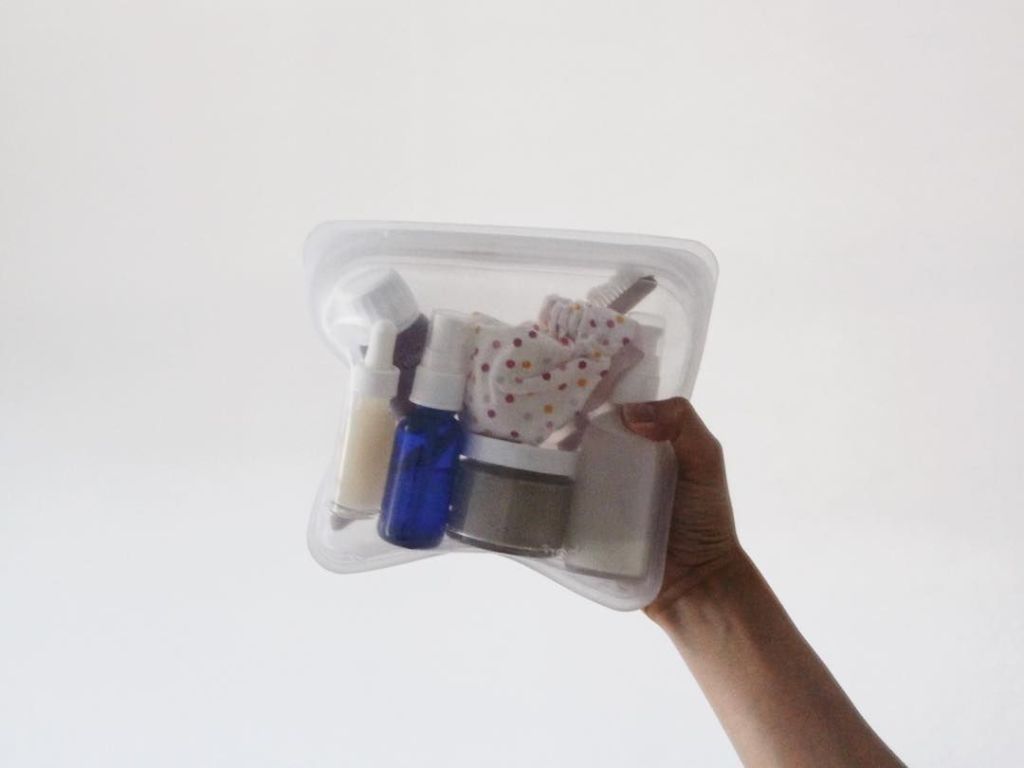
There are many bar shampoo and conditioner options to purchase from brands such as Lush, or you can go to your local zero-waste store or even make your own. By bringing your own shampoo and conditioner, you don’t need to use hotels’ wasteful ones. It also helps you from limited travel liquids allowed by airlines.
9. Bring your own utensils
When you are purchasing from restaurants or making your own food, try to bring your own eco-friendly utensils. Bamboo utensils are very popular, being biodegradable, however, during my travels, they are not as durable and can break. If you can, bring metal cutlery from your kitchen, they are durable, but bamboo is the next best thing if you can’t.

10. Shop local
Shopping for souvenirs to take home for yourself and your loved ones is always one thing we find ourselves doing towards the end of a trip. However, the shops you see on every corner selling cent worthy items as overpriced tokens are what most people believe to be the only option. This is not the case. There are always locally owned shops that, in most cases, hand-make many of the items they sell. Purchasing from local shops benefits the small business and, you are buying an item that is different from other souvenirs.

For the next adventure you have, think of these tips for an eco-friendly approach.








 Organised Mess