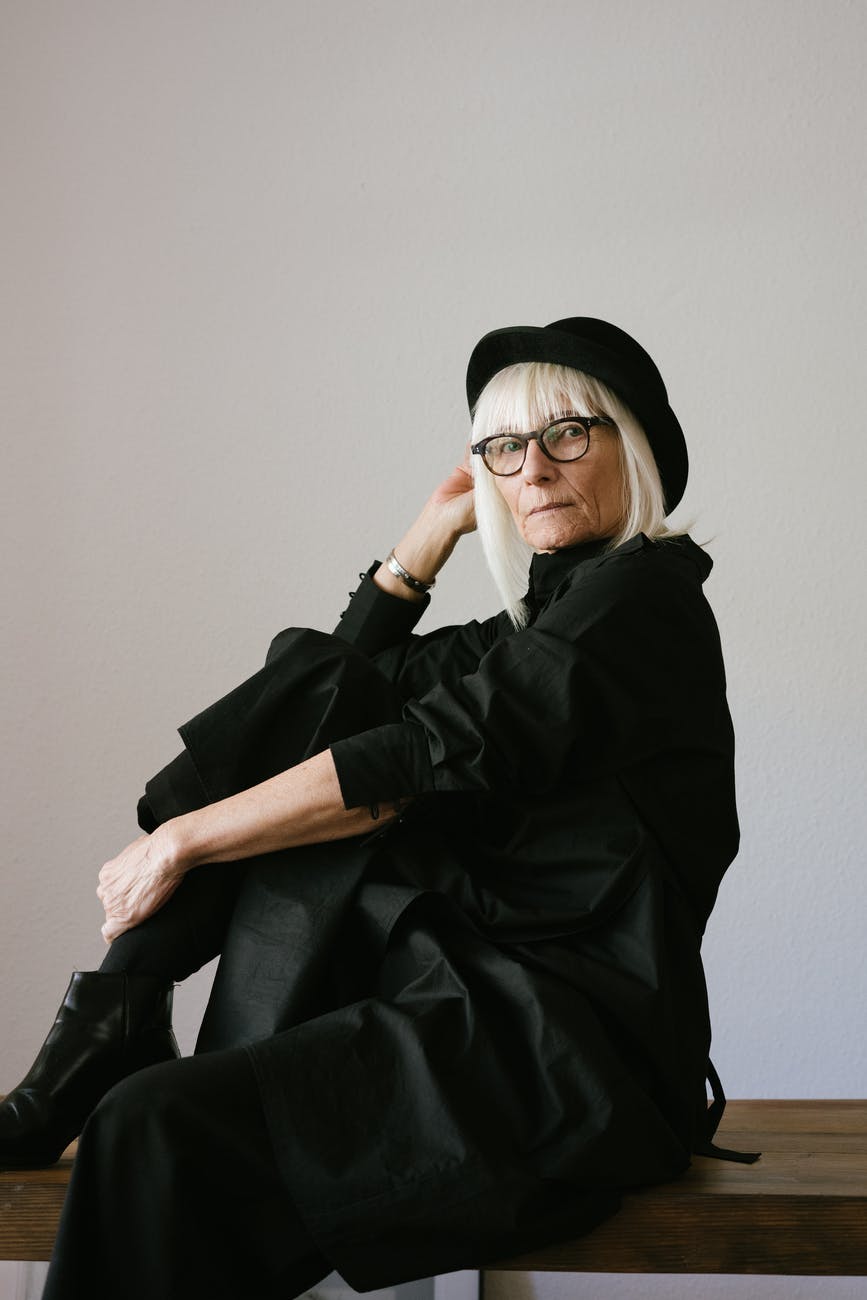
Although new styles and collections come out every year for spring/summer and fall/winter, trends are recycled throughout the decades. This year, 2021, for spring and summer, the dropped hem has made a comeback, bringing back a style from the 1920’s. The revamping of old ideas made “new” to fit the consumer’s needs and desires.
Of course, I’m fond of bringing back old styles. Personally, I adore the fashion from the 60’s & 70’s, with the flared pants and high-waisted trousers to make you look as long as a giraffe. Some fashion I cringe of the thought of a comeback is the early 2000’s. The low-waisted pants and whale-tails are not so flattering on all body types.
The issue surrounding accessibility for individuals who do not fit the quote-on-quote “norm” in terms of size is still ongoing. Even with today’s body-positivity awakening, individuals who fit size 12 and up still struggle immensely to find clothing that will fit them. If you look hard enough, there are stores that will have clothing that will fit “plus-size” women and men, but options may still be limited in terms of fashion and style.
What is inhibiting me from wearing what I want? Why do those who follow the trends judge those who don’t? Is it society that penalises those who stray away from the “norm” or is it because they secretly envy the freedom they express? These are questions I ask myself when I walk downtown or to work in the clothes I wear. I fear that others will judge me because it is not what others dress like in the city. But why do I care so much of what others think of me in the clothes that make me feel confident?
Growing up in a smaller city, on the west coast of Canada, most people are outdoors-y, Patagonia-wearing, hippies. And there is nothing wrong with that at all. I, too, wear my Blundstone’s and Eddie Bauer jacket, like its the uniform of the west coast. But once I started to dip my toes into the much larger world, that is fashion, I began to question why is it so controversial for those who want to stray away from the “norm”?
I believe fashion to be subjective. It differs between people because no one is exactly the same. And our clothes should be an outer representation as to who we are as people. The clothes we wear on our back can also be looked at as our own suit of armor, and just by wearing them, should bring us the confidence to take on the world.
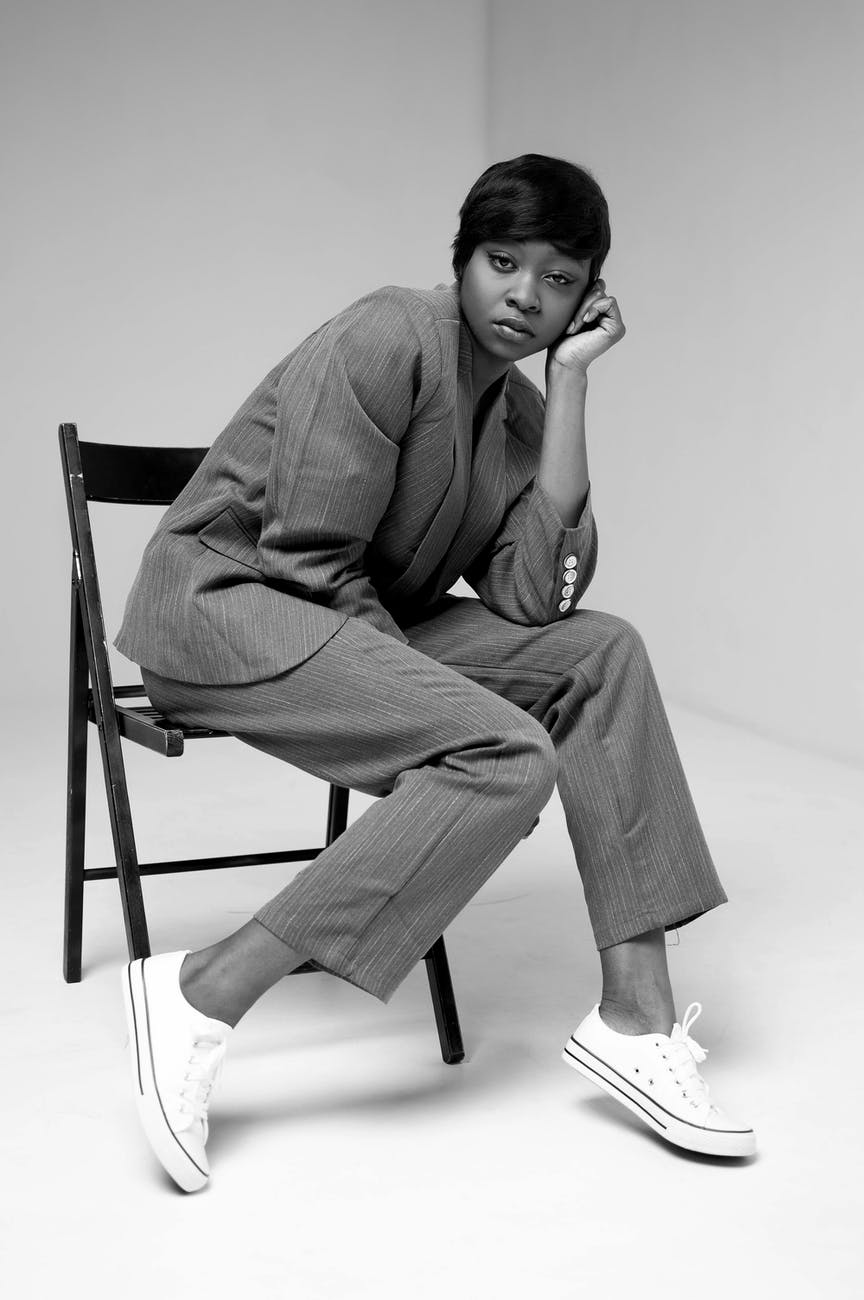
Although fashion may be subjective to each person, the fashion industry is still a large, vast empire, dominating the world economically and environmentally. Fast fashion is a humanitarian issue as well as an environmental issue. But the cheaper alternative is difficult to stray away from. Cheaper clothing is more accessible for individuals who cannot afford ethically made products that cost as little of 50$ for a tee-shirt. The fast fashion industry feeds off the working class and continues to boost up their revenues by paying their workers cents for a days work.
The book “The Dirty Side of the Garment Industry” by Nikolay Angueluv writes on the impact fast fashion has on the environment. Discussing a major issue within the industry pertaining to the manufacturing of textiles and fabrics. Cotton, in specific, makes up most of the ecological damage that is linked to chemical pollutants from run-offs, which adds to their carbon footprint from high fuel costs and CO2 emissions.
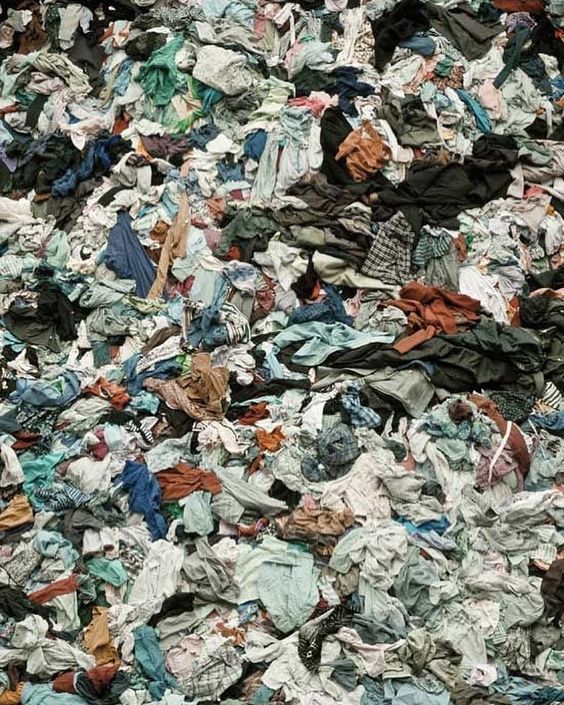
Overall, there are many different ways to be environmentally conscious and continue to express one’s fashion style and not subject to the trends promoted by the fashion industry. One trend that has gone on the rise is shopping second-hand and reclaiming the re-wearing of older clothes as “vintage”, making the item seem more valuable. Although there are some deficits from shopping-second hand, it is always a better alternative than to purchase something from the fast fashion industry. By doing so, you are able to find unique pieces that you would not be able to find in many current stores, expanding your closet with pieces that are more true to who you are. Although sometimes it is scary to wear things that go against the social norm within your community, overall, I’ve learned no one really cares what you wear. So might as well wear what you like, I know I will.
 Organised Mess