It goes without saying, we are in a climate crisis, and our earth is dying. These words make me feel helpless and sad, but there are things we can do to help, however small or large. By minimizing single-use plastics and recycling and composting materials, we will keep ourselves accountable for the wasteful materials we dispose of on our planet and into our oceans.
I am not educated enough on climate change. Still, I find it useful to take the initiative in researching and reading scientific articles and journals that can help give insight into the challenges we face as a species. A book called The Climate Crisis, edited by Vishwas Satgar writes on the climate crisis we face and the possible systemic alternatives.
After more than twenty years of multilateral negotiations, we have not developed the solutions to solve the climate crisis decisively. Instead, we have continued emitting pollutants and intensively using fossil fuels and, as a result, have been recording the hottest years on the planet
Vishwas Satgar, The Climate crisis and Systemic alternatives
I realize what I am writing is scary or may be hard to believe for some, but there are ways that each person can do their part and try to help.
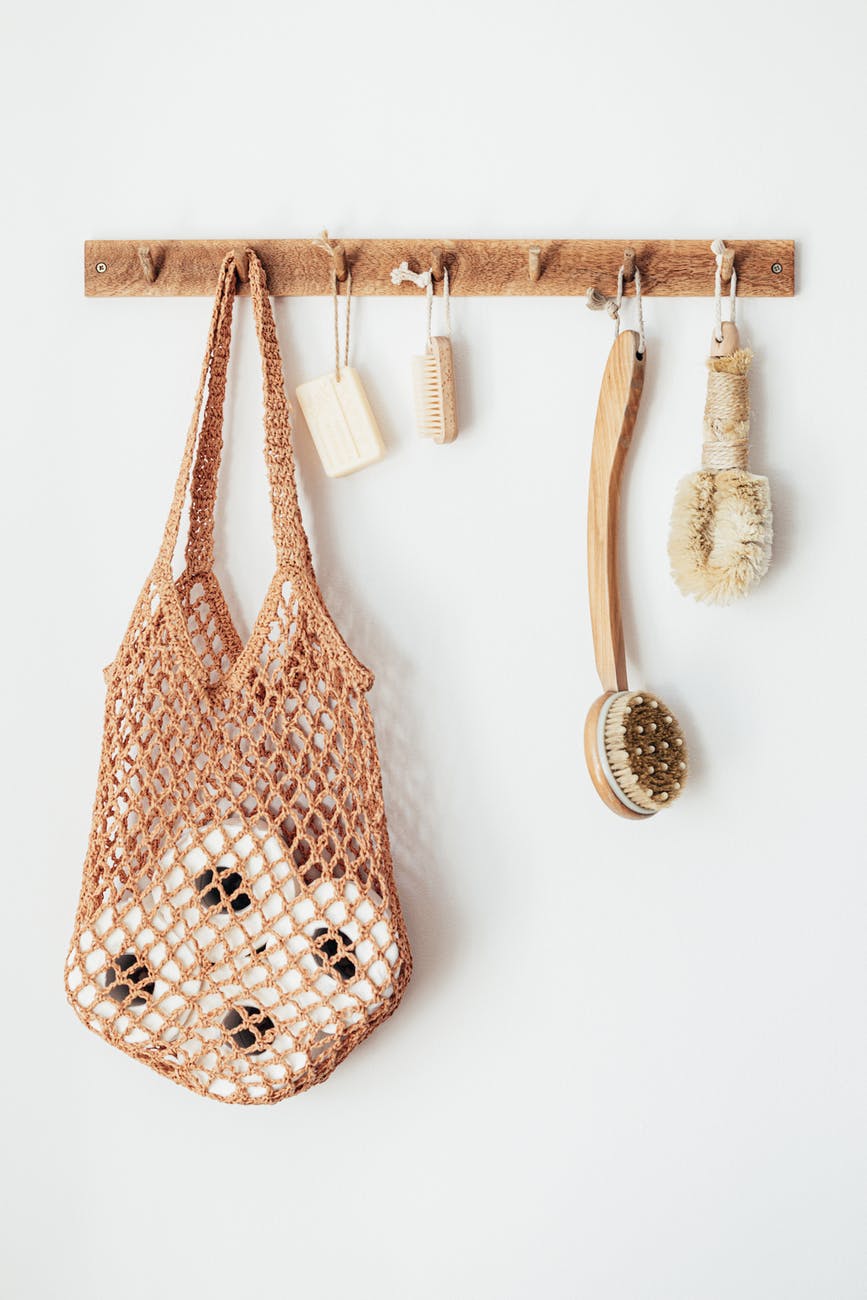
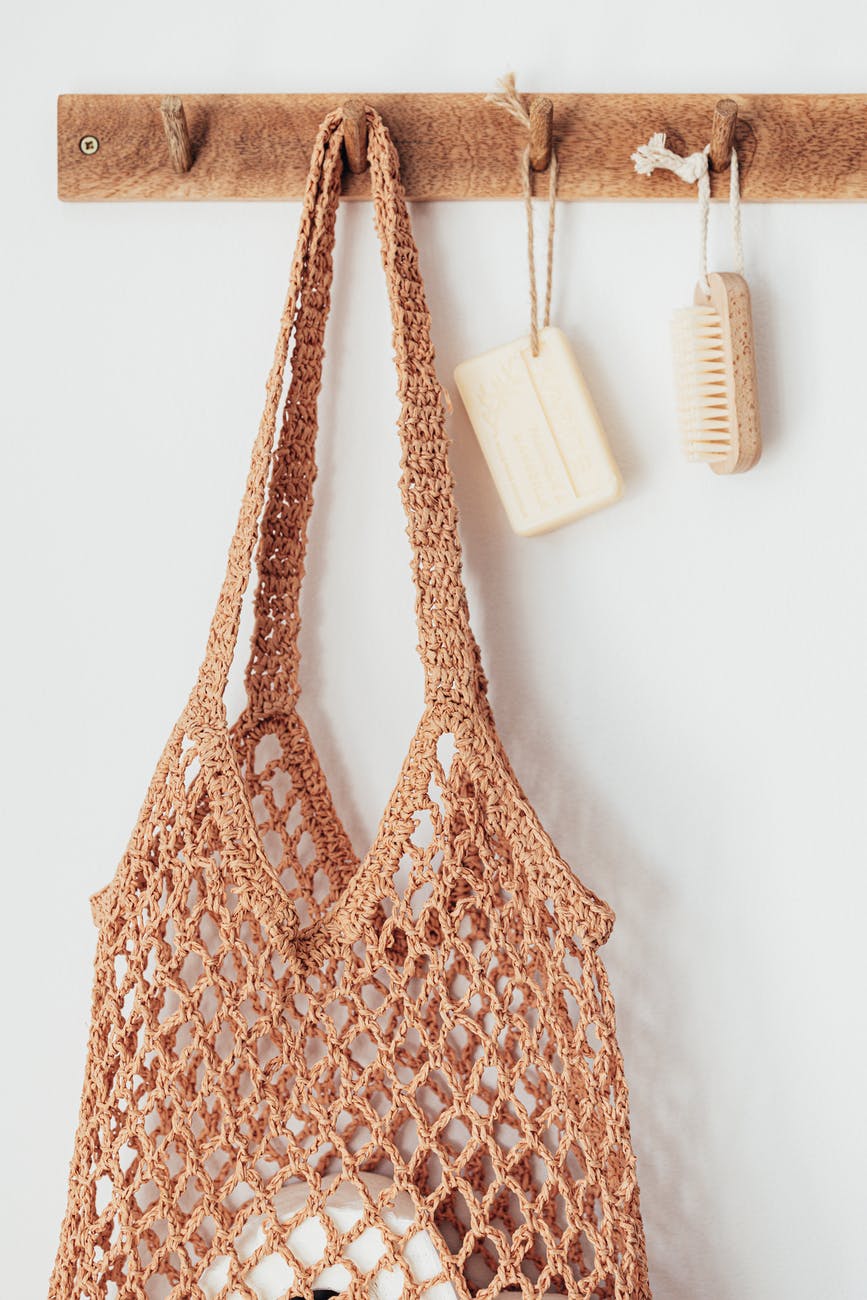
There are many ways an individual can make change, and it can begin with your lifestyle.
Decreasing meat consumption may help biodiversity loss, which attributes to 70 % of the world’s deforestation used for animal feed (Stoll-Kleeman & Schmidt, 2017). Also, 14.5% of the world’s greenhouse gas emissions (GHG) result from industrial livestock farming (Stoll-Kleeman & Schmidt, 2017). I’ve been following a pescetarian diet for over seven years and have become more educated on how diet can impact our environment.

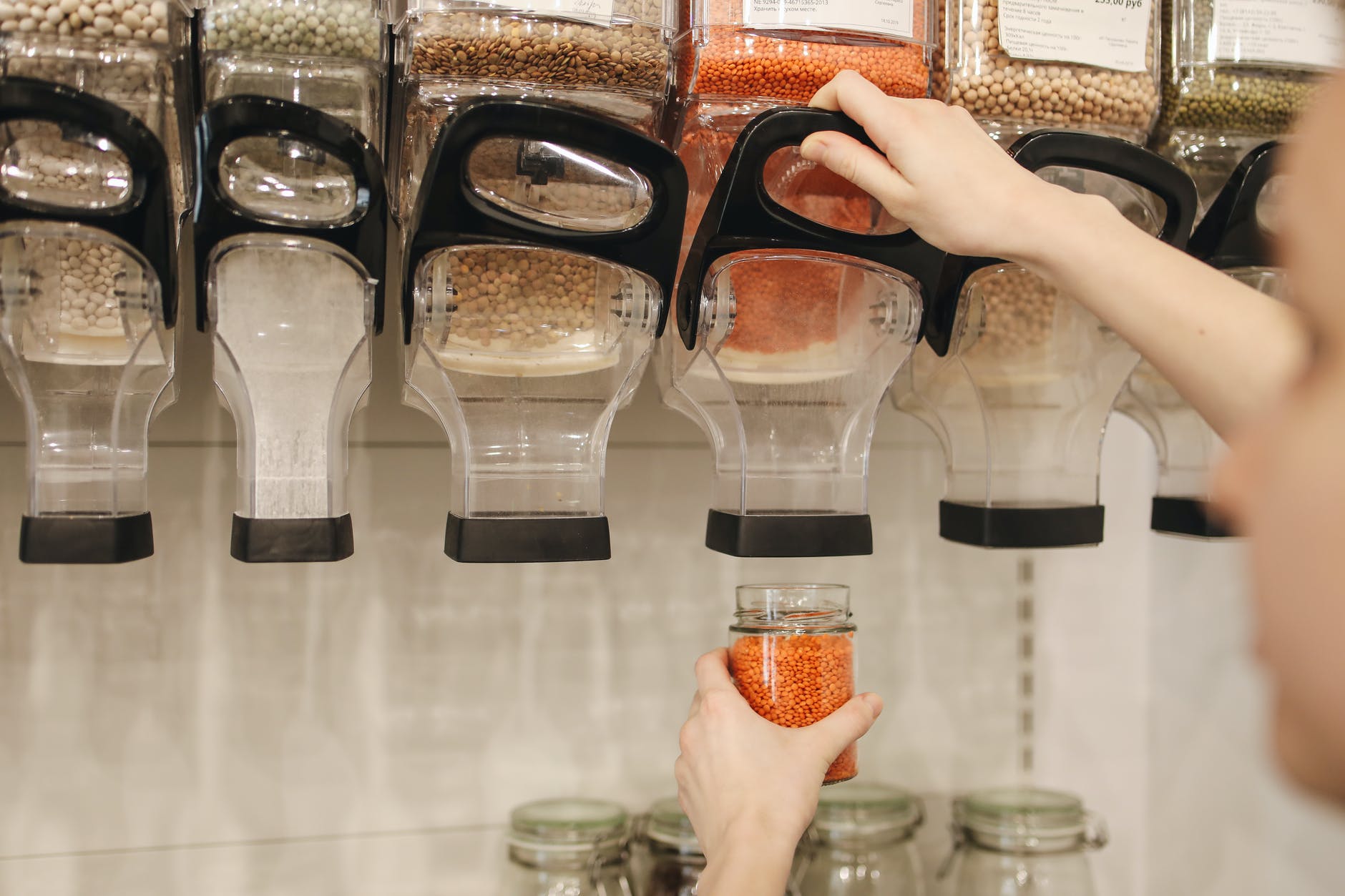
Another way to help is by changing out single-use plastics for reusable or eco-friendly alternatives. There are many eco-friendly alternatives for items in your household – toothbrushes, toothpicks, plastic bags, plastic sandwich bags, cling-wrap, drier sheets – that are also more cost-efficient and better for the environment.
An alternative for a regular plastic toothbrush could be a bamboo toothbrush. Affordable bamboo toothbrushes can be found on online sites, such as Brush with Bamboo or Etsy.
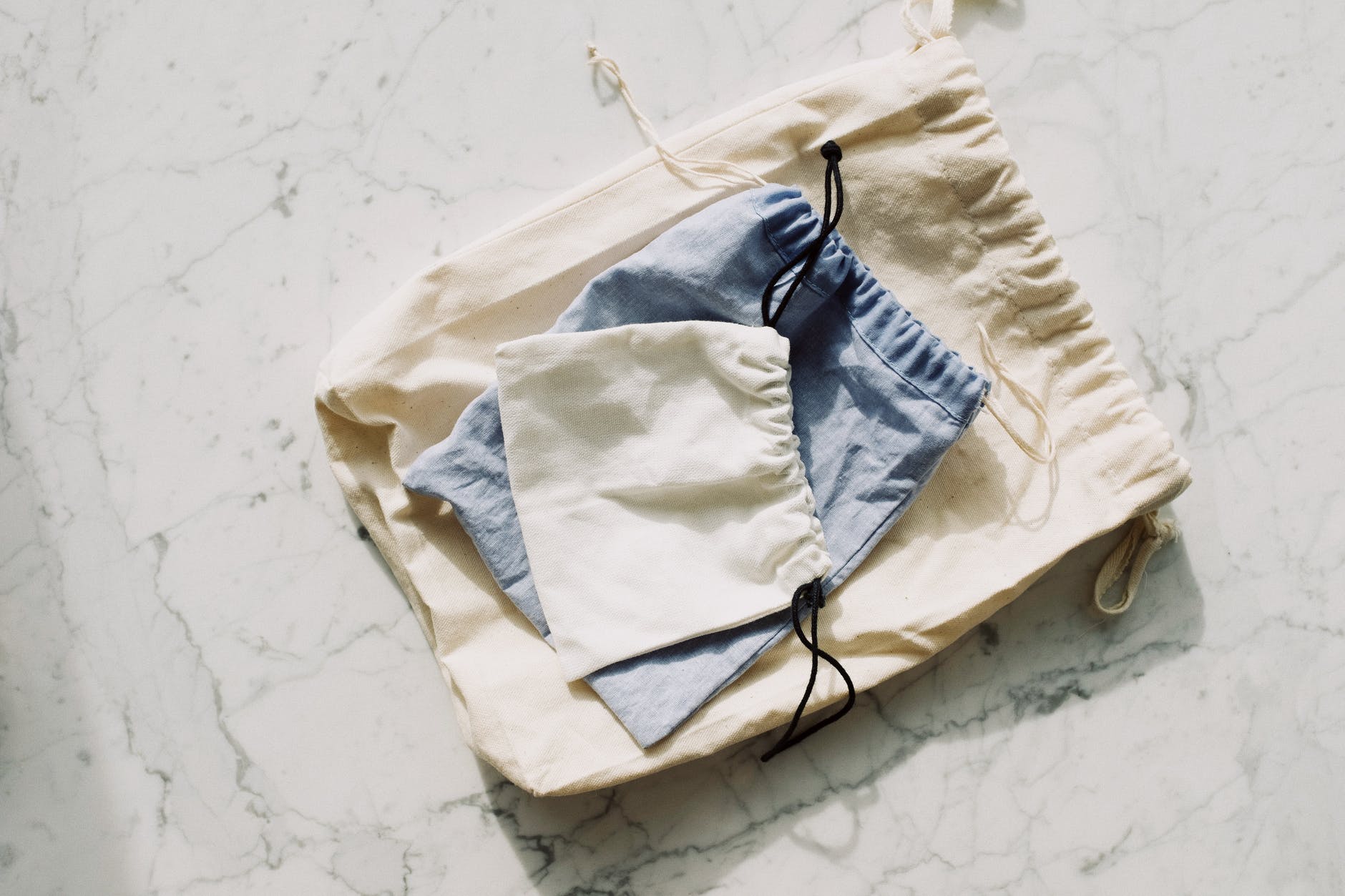
If you are looking for an alternative to single-use plastic bags for groceries, there are so many available options that will last and can be reused for years. To replace single-use zip-lock bags, invest in Stasher bags. These are silicon zip-lock bags that can be purchased in multiple sizes to fit whatever you need. Another alternative to single-use plastics is cotton produce bags for any vegetables you pick up from the grocery store. And to replace cling-wrap, try Beeswrap for your wrapping needs.

.
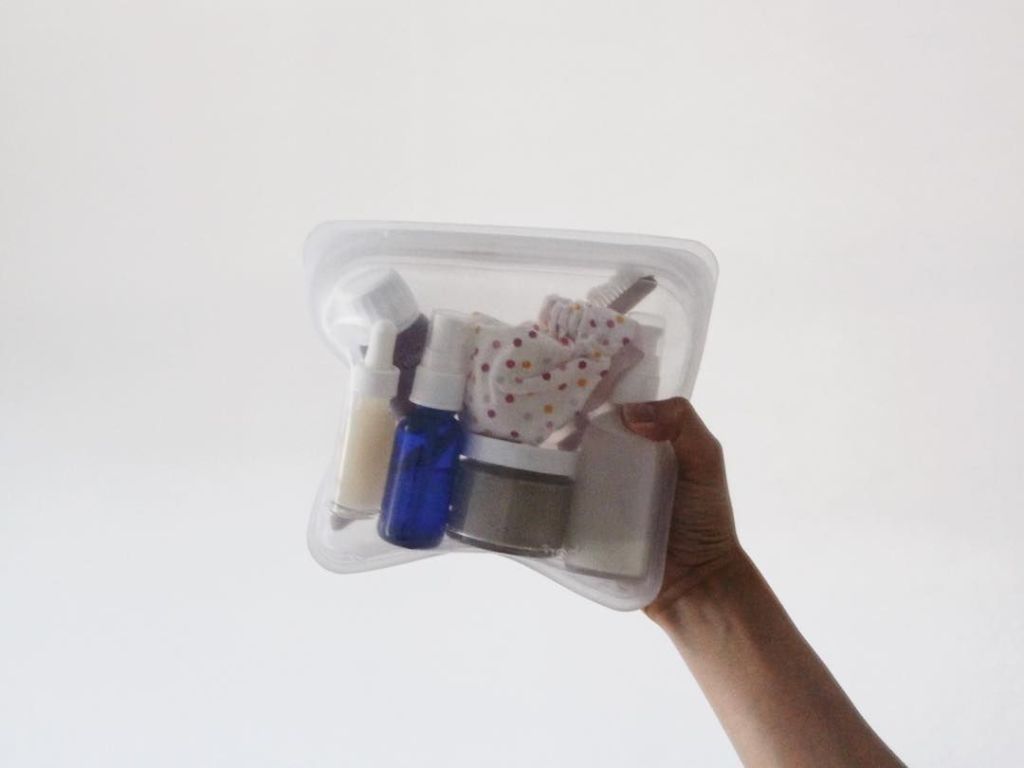
Suppose you are looking for alternatives for more eco-friendly dish soap or all-purpose cleaners. In this case, there are many stores you can find online or search for zero waste stores near you. A source online called Sustain Eco-Store holds all the necessary kitchen and household items that fit your needs to be more eco-conscious.
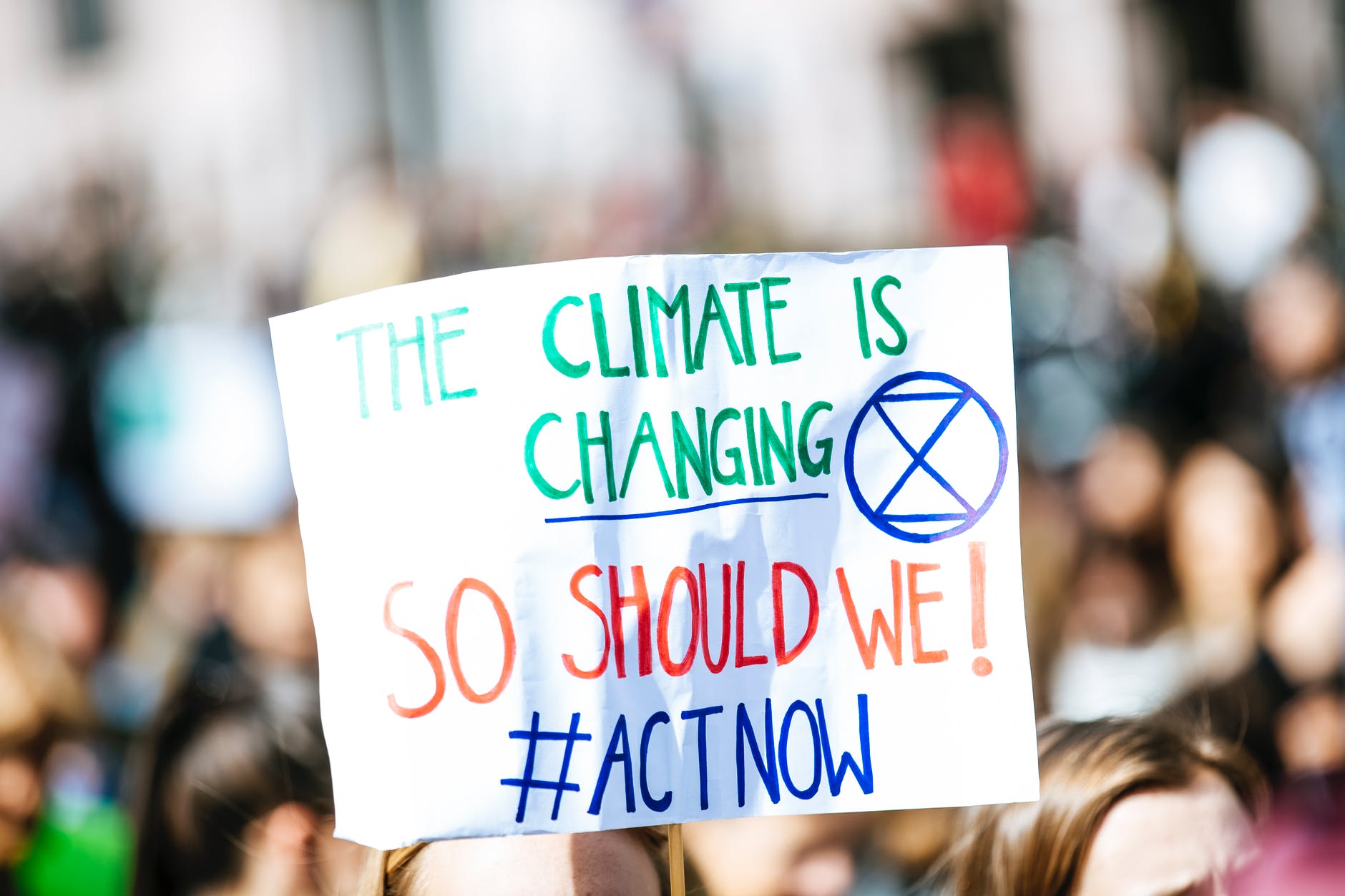
Understandably, trying to switch to eco-friendly household materials is usually more expensive to purchase upfront. However, there are other ways which you can do, that are entirely free. By signing petitions and sending emails to people in large corporations or parliament, you can voice your opinions on the climate crisis. On the right are some URLs where you can sign petitions and get more information on other ways to make a change.
Resources for purchasing your own zero-waste and eco-friendly alternatives:
- Bamboo Toothbrushes
- Stasher Bag
- Cotton Produce Bags
- Beewac wraps
- Eco-friendly cleaning
- (https://www.brushwithbamboo.com/)
- https://www.stasherbag.com/
- https://www.ecobags.com/Our_Products/Produce_Bags
- https://www.beeswrap.com/collections/all?gclid=Cj0KCQiA3NX_BRDQARIsALA3fIITRIvEIwgrvHCRURG_63Evu6v52A1EtK5LEjr_2nKCrqbo1pfmBbkaArN4EALw_wcB
- https://shop.sustainecostore.com/collections/shop-all
References:
Satgar, Vishwas. (2018). The Climate Crisis: South African and global democratic eco-socialist alternatives. Johannesburg. Wits University Press. https://library.oapen.org/bitstream/handle/20.500.12657/29462/9781776143306.pdf?sequence=1#page=13
Stoll-Kleemann, S., & Schmidt, U. J.. (2017). Reducing meat consumption in developed and transition countries to counter climate change and biodiversity loss: a review of influence factors. Regional Environmental Change, 17(5), 1261–1277. https://doi.org/10.1007/s10113-016-1057-5

 Organised Mess
Eco-friendly options with photos are a good start. A good post…
LikeLiked by 1 person
Thanks!
LikeLiked by 1 person